Pennsylvania Remote Workforce Housing Modular Facility Rentals for Planned Projects
Plan temporary crew accommodations for a Pennsylvania project around headcount, shift rotation, duration, site access and utilities. Camping EZ RV Rentals USA reviews mobile, portable and modular facility requirements nationwide without implying a local depot or guaranteed delivery window.
Pennsylvania sits inside a nationwide support plan.
Use the Pennsylvania page to organize remote workforce housing requirements, then call the 24/7 response team to confirm coverage, availability and logistics.
Review dense-site access, seasonal conditions, utility tie-ins and local approval responsibilities before equipment selection.
01Crew headcount, shift rotation and project duration
02Site address, road access and available placement area
03Power, potable water, drainage and wastewater strategy
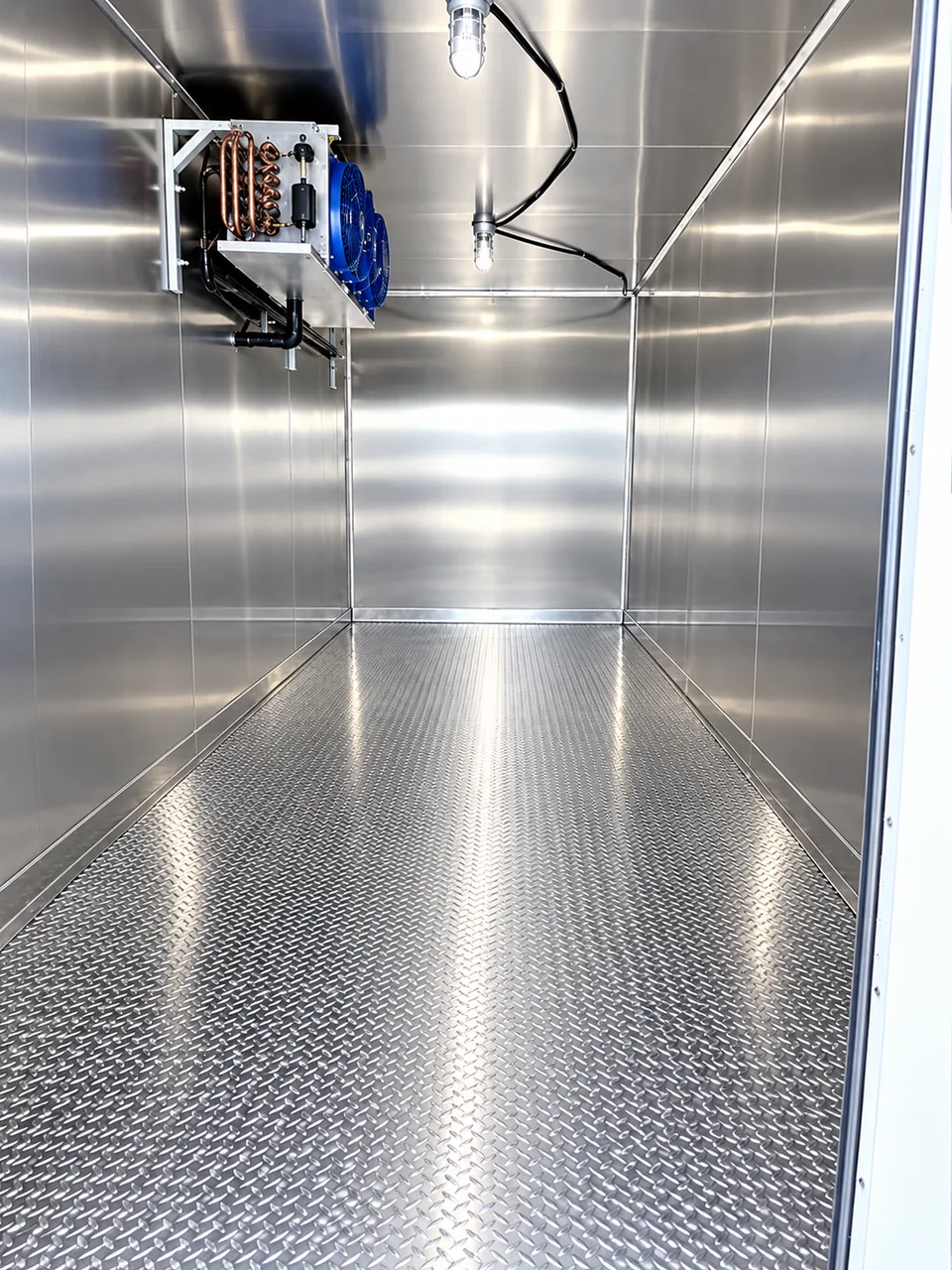
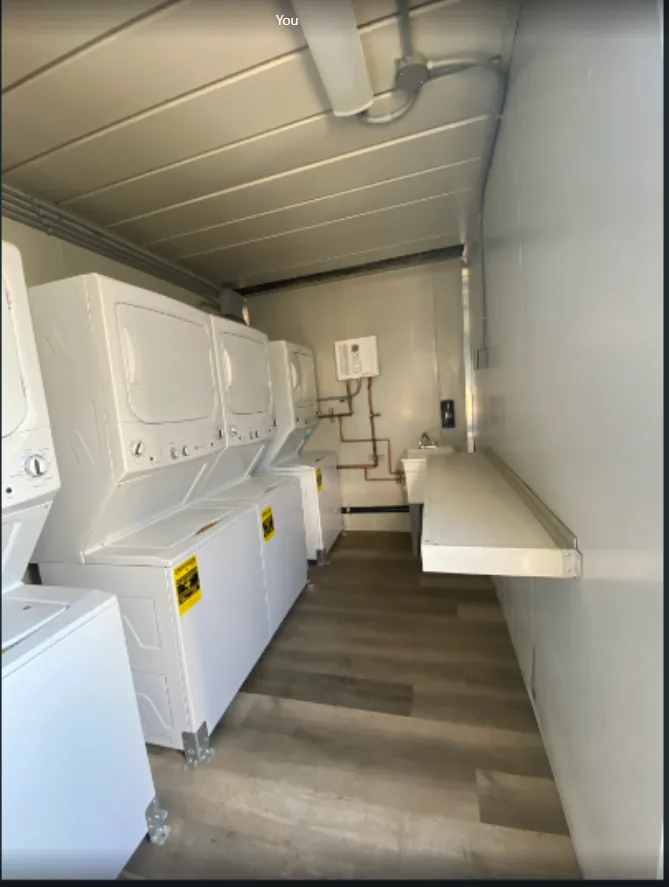
04Required housing, kitchen, hygiene, cold-storage and laundry families
PENNSYLVANIA / FACILITY PLANNING GUIDE
Plan the complete temporary site in Pennsylvania.
Temporary facility planning in Pennsylvania works best when the equipment list follows the operating plan. A useful request identifies who will use the site, how shifts overlap, how long the project is expected to run and which utilities are available at the exact placement area. For Pennsylvania, the early conversation should also account for industrial and energy sites, winter weather, steep access routes and dense regional corridors. Those factors influence trailer access, pad preparation, connection lengths, service intervals, winterization or cooling requirements and the order in which facilities should arrive. Camping EZ RV Rentals USA reviews the complete temporary-site system rather than treating a bunkhouse, kitchen or hygiene trailer as an isolated rental. The goal is to develop a practical planning brief that can be confirmed against current equipment availability, transportation constraints and site responsibilities. This page describes questions to resolve before dispatch; it does not represent a local depot, a guaranteed inventory position or a promised delivery window. Call the 24/7 response team with the site address and schedule so the plan can be evaluated for the real Pennsylvania project.
01
portable bunkbed facility rentals in Pennsylvania
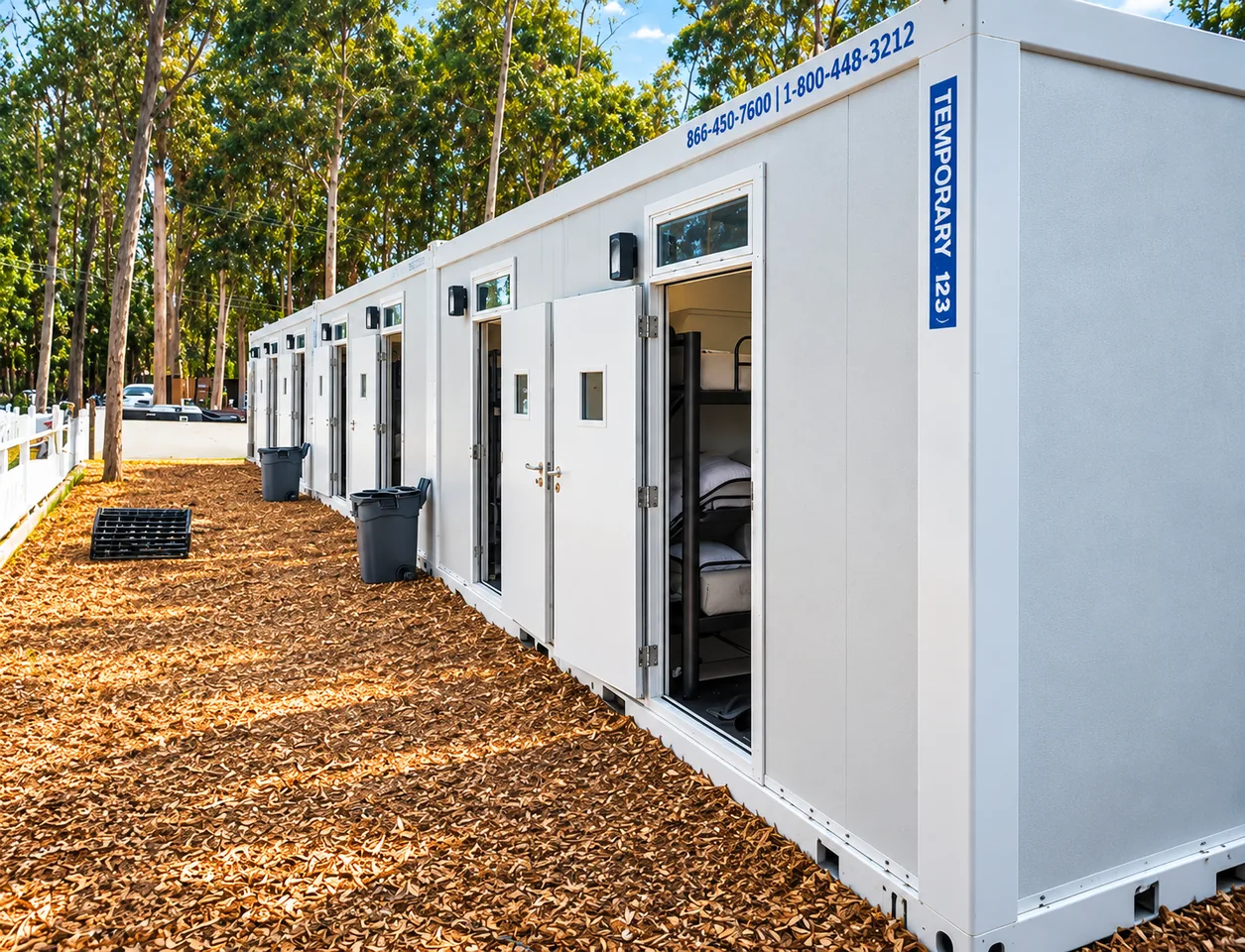
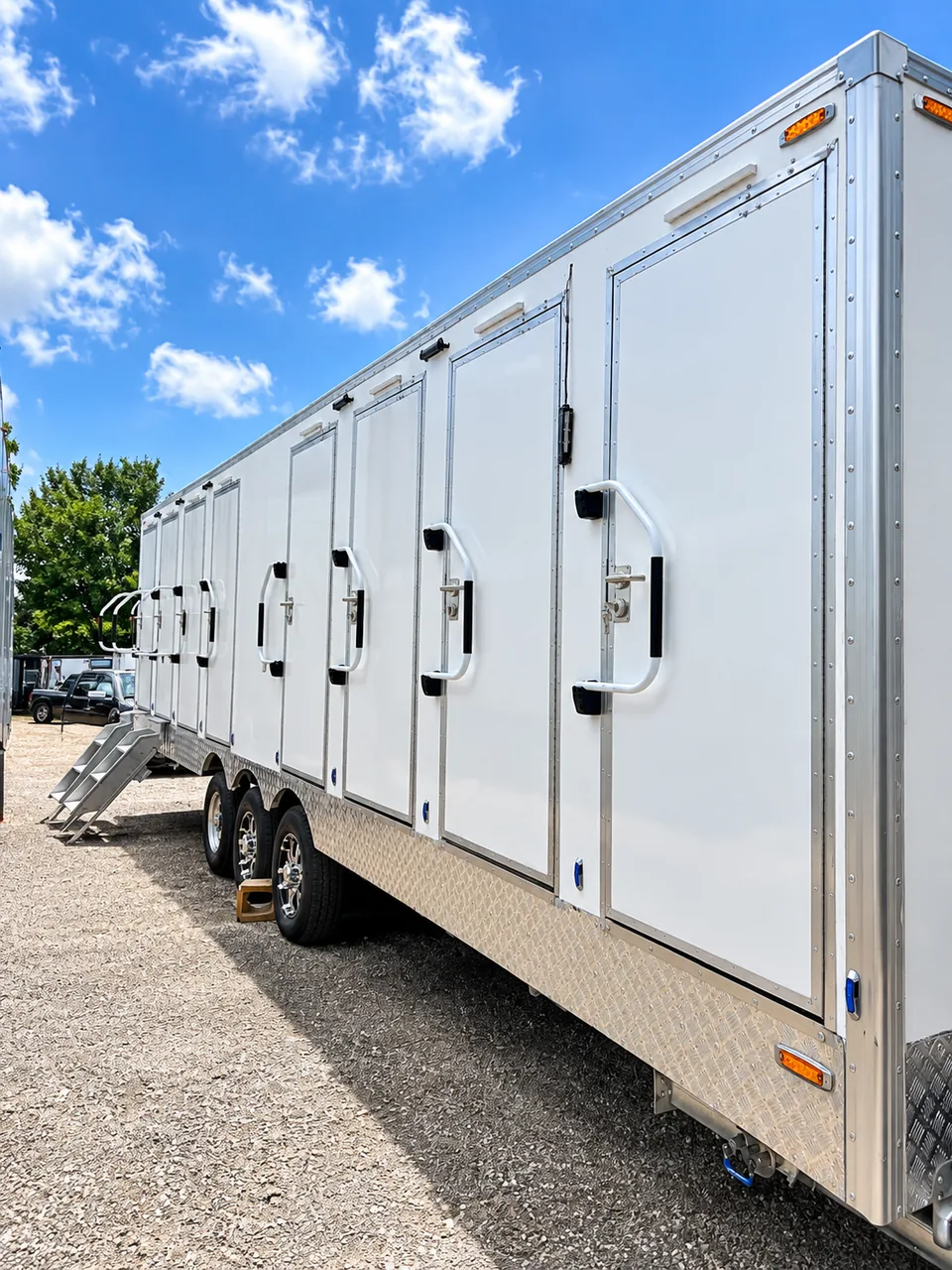
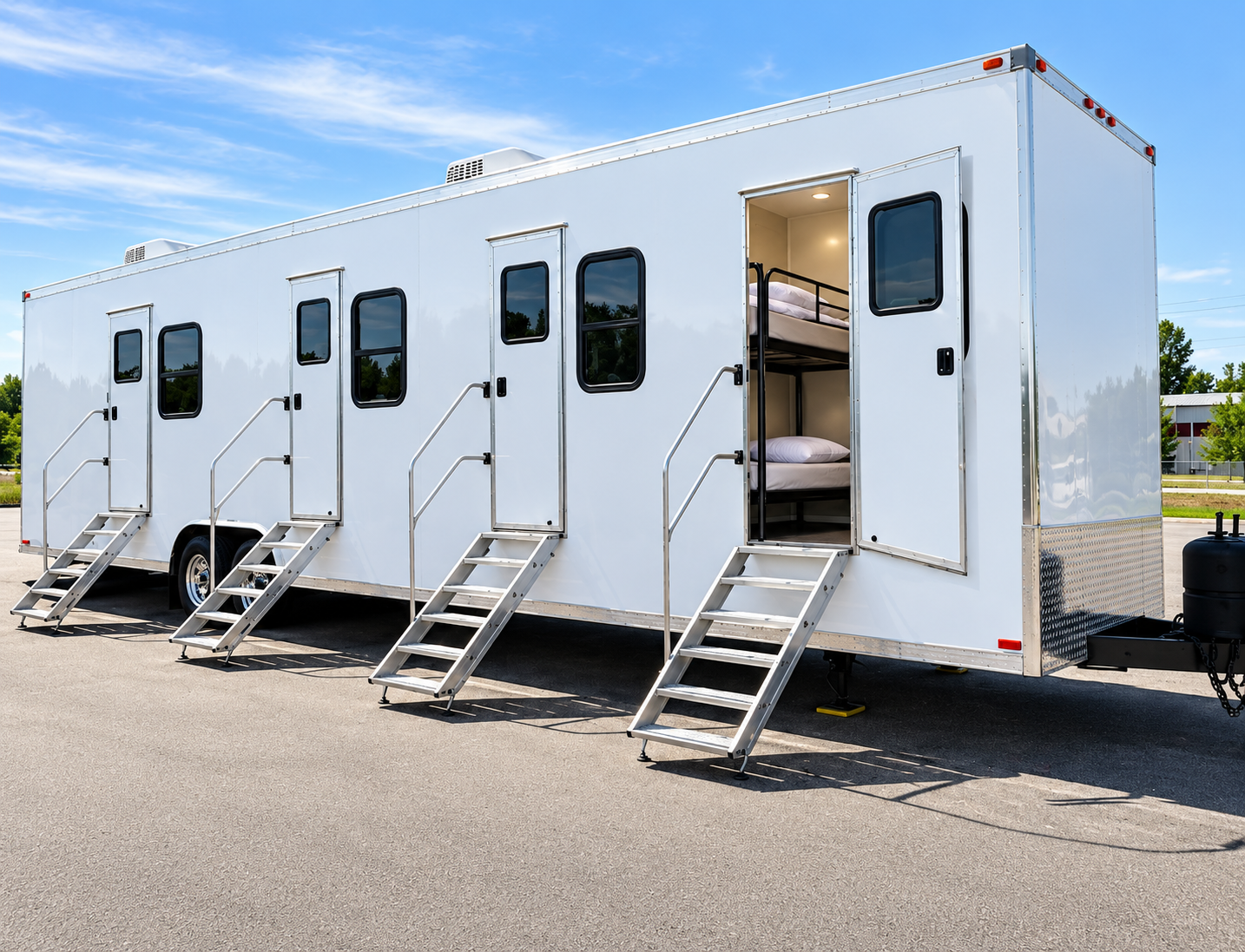
portable bunkbed facility rentals in Pennsylvania are planned around sleep quality, privacy, shift turnover and safe occupancy. Start with the required number of beds per shift, then identify whether crews can share rooms across opposite rotations or need dedicated spaces. Ask about mattress and linen responsibilities, personal storage, climate control, quiet-hour expectations, cleaning intervals and fire-safety requirements. For projects shaped by industrial and energy sites, winter weather, steep access routes and dense regional corridors, exterior stairs, entry surfaces, weather protection and the distance to restrooms or showers deserve early attention. Power demand should include HVAC, lighting, receptacles and any permitted support equipment rather than relying on a simple trailer count. The final arrangement must preserve egress and service access while keeping sleeping areas away from noisy generators, loading activity and food-service exhaust. These details allow a planner to discuss suitable sleeper or accommodation configurations, but model, capacity, rental term and delivery timing remain subject to a project-specific confirmation call and the conditions at the actual Pennsylvania site.
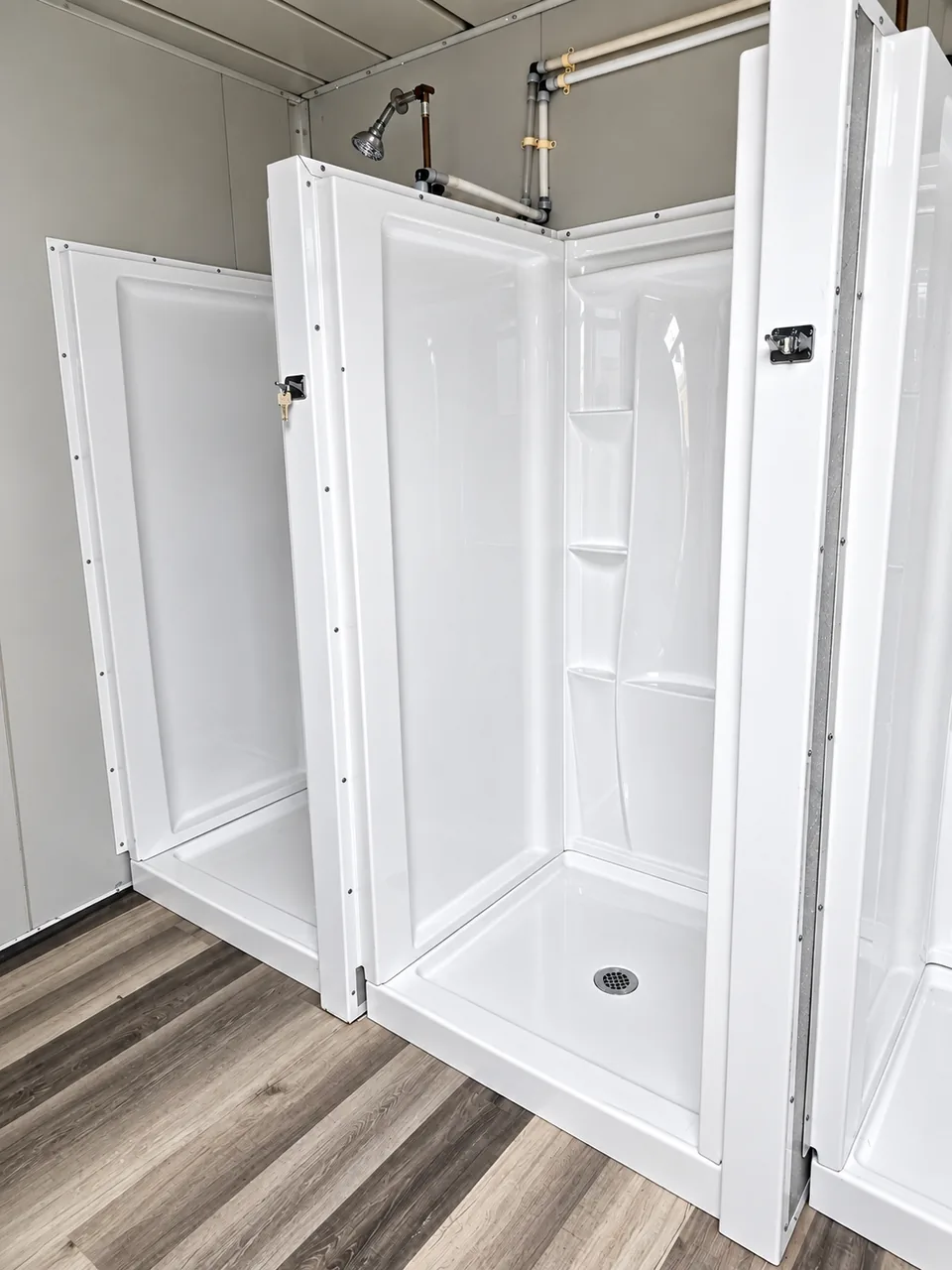
Portable Shower Trailer in Pennsylvania planning starts with users per shift, the bathing window and the recovery time available between groups. Peak demand is more useful than a daily headcount because it drives stall requirements, hot-water recovery, fresh-water supply and wastewater storage or discharge. The site plan should show separate clean and wet circulation, private changing expectations, accessible routes, exterior lighting and safe steps or ramps. The connection plan may need to account for freeze protection, reliable power and carefully routed water and wastewater connections, along with tanks, pumps, generators or protected hoses. Teams should also decide who monitors consumables, cleans stalls, removes wastewater and responds if a utility interruption occurs. Locating showers near sleepers can improve convenience, but adequate separation from vehicle traffic and food operations is still important. A 24/7 planning call can review mobile, portable or modular shower options for the anticipated Pennsylvania schedule; final quantities and specifications should be confirmed only after the project team supplies accurate shift data, utility information and placement measurements.
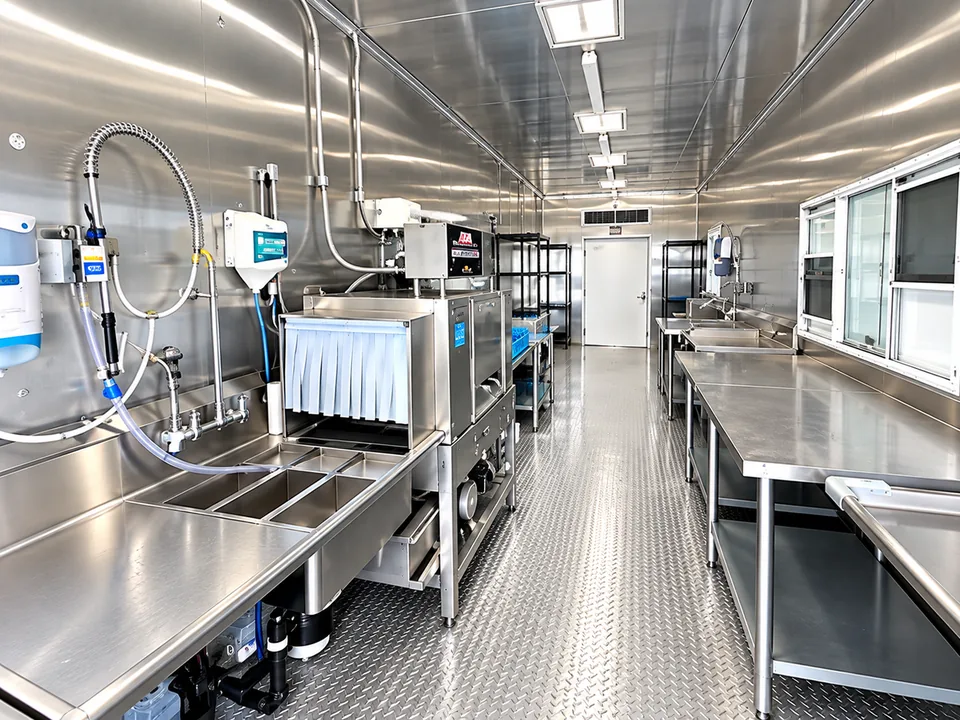
Mobile Dishwashing Trailer in Pennsylvania projects should be sized from the meal program and ware flow rather than from crew population alone. Provide meals per service, service periods, rack volume, utensil and cookware loads, sanitation expectations and the relationship between the dish unit, kitchen and dining area. The workflow should keep soiled and clean items separated and minimize exposed travel between trailers. Confirm incoming water quality and pressure, hot-water strategy, electrical service, wastewater temperature and discharge plan, ventilation clearances and staff access. When institutional continuity, seasonal construction and planned shutdown schedules create changing demand, the dishwashing system may need operating hours that cover multiple meal waves and cleanup periods. Options can include low-temperature, high-temperature, conveyor or flight-type arrangements, but the correct configuration depends on throughput and local approval responsibilities. The Pennsylvania project team should identify the authority reviewing food-service operations and complete any required approvals; the rental discussion can then focus on equipment compatibility, connection responsibilities, servicing and the planned operating window.
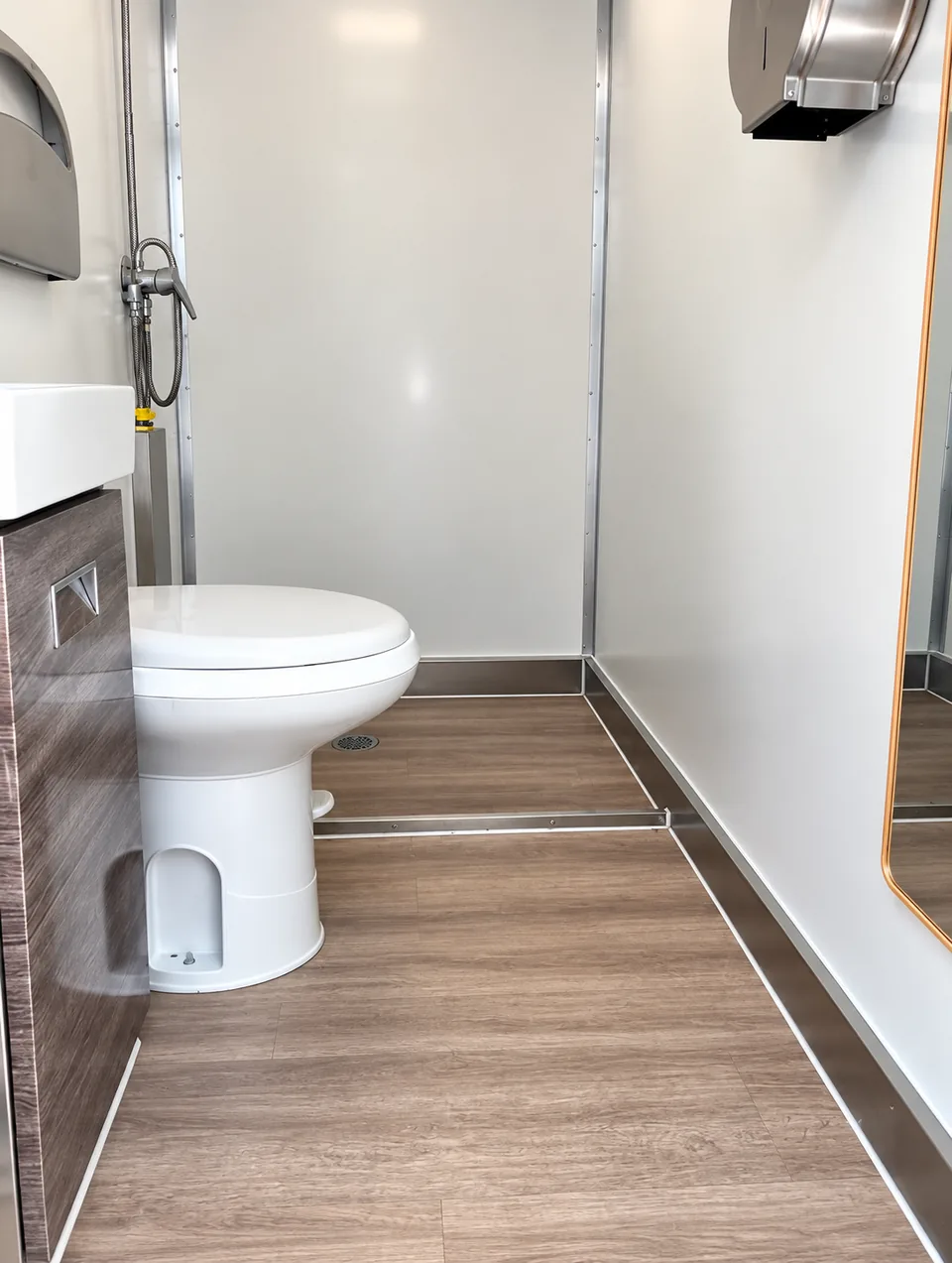
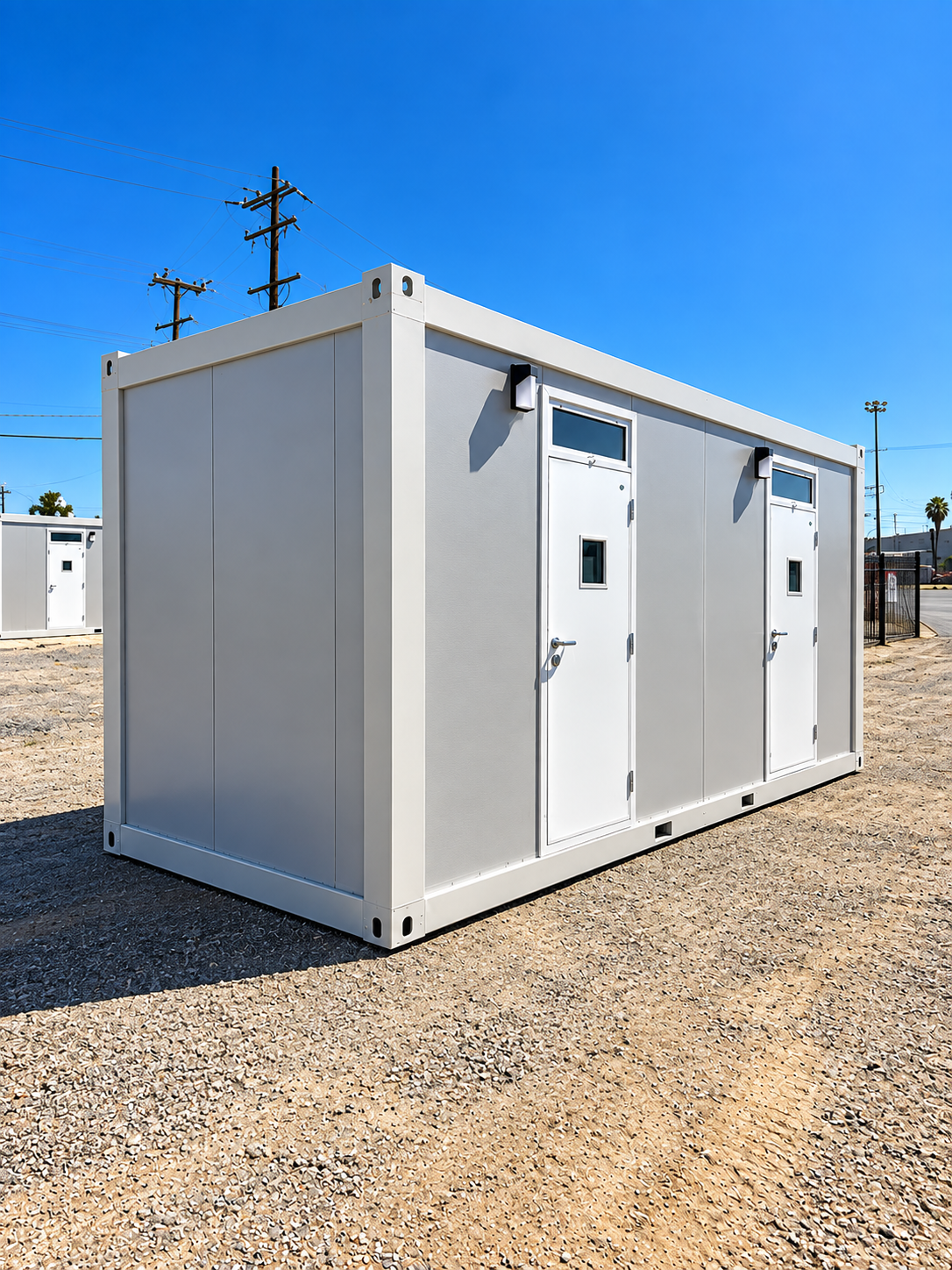
Portable bathroom rentals in Pennsylvania need more detail than a total fixture request. Estimate peak simultaneous use, shift-change surges, gender or private-room requirements, accessible facilities, handwashing capacity and the distance from work and sleeping areas. Placement must support safe pedestrian routes while preserving pump-out access and keeping sanitation service away from kitchens, potable-water points and high-traffic delivery lanes. Conditions involving industrial and energy sites, winter weather, steep access routes and dense regional corridors can influence anchoring, entry protection, drainage and service frequency. For longer deployments, climate control, interior finishes, lighting, consumables and cleaning responsibility should be documented before mobilization. The wastewater approach may use holding tanks, approved sewer connections or scheduled service, depending on the site plan and applicable requirements. Camping EZ RV Rentals USA can review restroom trailers, bathroom facilities and related handwashing support for a planned or emergency Pennsylvania need, but capacity, accessibility, servicing and rental duration must be confirmed against actual headcount, site conditions, approvals and current equipment availability.
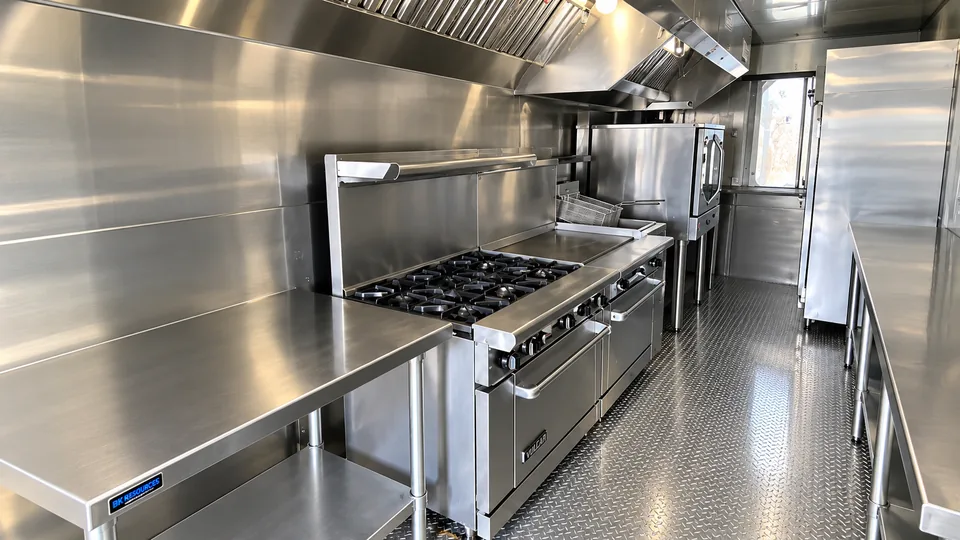
Portable Mobile Kitchen Trailers in Pennsylvania should follow a written feeding plan that covers menu, meal counts, service times, staffing and storage. Cooking equipment alone does not create a complete operation: the plan may also require prep space, dry storage, refrigerated or frozen capacity, dishwashing, handwashing, wastewater handling, fire-safety equipment and a protected serving route. Identify whether the kitchen supports bulk production, finishing, grab-and-go service or full meals for rotating shifts. Projects affected by industrial and energy sites, winter weather, steep access routes and dense regional corridors should examine ventilation clearances, weather protection, delivery access and generator or fuel placement before selecting a trailer footprint. The team must also confirm power, propane, potable water, grease management, waste removal and the agency or site authority responsible for approvals. During the 24/7 phone review, planners can compare those requirements with mobile kitchen configurations and related support trailers. Final equipment, transportation, installation scope and availability for the Pennsylvania site remain subject to confirmation rather than an online assumption.
Remote Mancamp Facility Rentals in Pennsylvania should begin with a bed count that reflects people on site at the same time, not only the total project roster. Planners need the day-and-night rotation, supervisor or private-room needs, expected crew changes and any separation requirements. The layout should leave room for safe walking routes, emergency access, lighting, waste service and future expansion. In Pennsylvania, industrial and energy sites, winter weather, steep access routes and dense regional corridors can affect where accommodation units are staged and how connections are protected. A mancamp plan may combine sleeper units with showers, restrooms, laundry, kitchens, dishwashing and refrigerated storage so every daily function has an assigned location. Confirm who provides foundations or blocking, temporary power, potable water, wastewater handling, fire-safety review and routine housekeeping. A clear responsibility matrix reduces delays after arrival and gives the response team enough detail to review a phased rental or leasing plan without overstating what can be supplied before availability is checked.
Remote Basecamp Facility Rentals in Pennsylvania require a coordinated site sequence. Housing can be operational only when access, sanitation, food service, cold storage and utility support are ready at the appropriate time. The basecamp drawing should identify delivery lanes, crane or tow-vehicle clearance when relevant, pedestrian paths, generator and fuel areas, water storage, wastewater service points and a location for service vehicles. Regional planning often involves compact sites and scheduled delivery windows where entrances, turning radii and neighbor impacts must be reviewed early. The project team should define which areas remain active during mobilization and whether facilities need to arrive in waves as headcount increases. A small advance crew may need hygiene and meal support before the full sleeping capacity is commissioned. Documenting those phases helps avoid moving connected trailers later. Camping EZ RV Rentals USA uses the phone review to compare the proposed sequence with current equipment and transportation realities, while the site owner retains responsibility for permits, approvals, safe placement and utility readiness specific to the Pennsylvania property.
Plan a Pennsylvania deployment with the 24/7 response team.
Bring the site address, crew count, shift schedule, utility details, required start date and expected duration. Equipment configuration, availability, transportation and setup timing are confirmed for each project.
Review all nine product-service families, then call to confirm which facilities, rental terms and emergency planning options fit the specific Pennsylvania site.